
Our modern culture is obsessed with self-gratification. We are constantly bombarded with the message that “wellness” is the ultimate goal of life, and that we should seek after it in everything we do. This excessive focus on the self is especially sneaky because it parades under the banner of necessary self-care. We all need to take care of our bodies and minds to function properly, and so we can easily be led to accept a certain self-seeking mindset almost subliminally, excusing it as healthy and balanced behavior.
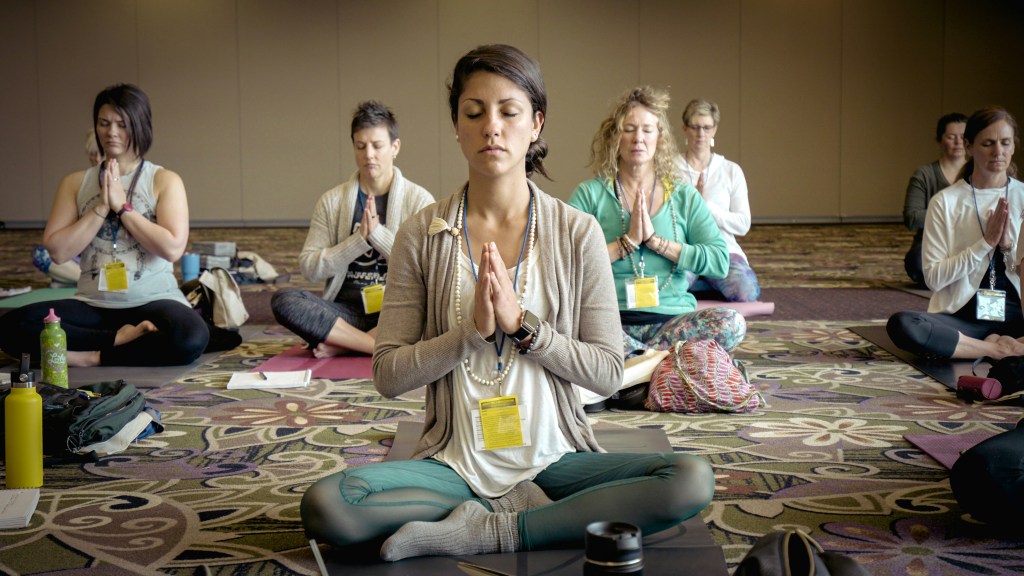
The self-care madness has of course extended to the realm of spirituality. How many people “meditate” just to give themselves an extra mental boost in the morning? How many people do “yoga” just to relax and find relief from stress or anxiety? Many spiritual practices, hastily and superficially borrowed from world religions, are co-opted by the “wellness” cult to serve the needs and desires of the self. Often these Westernized forms of spirituality have very little in common with the traditions they are taken from, and there is almost nothing left in them of the true search for transcendence that was once their focus.
As Christians, we can also easily fall into the trap of a “wellness” spirituality. We all want to experience joy, pleasure, and peace. These are natural human desires. Anyone who has taken the life of prayer and devotion seriously knows that spiritual practices often produce pleasant feelings in the soul. We can feel greater peace, confidence, and joy after we pray a Rosary or spend half an hour in loving meditation of the Passion. These feelings are not bad. In fact, they are gifts from God meant to help and encourage us on our journey of prayer. But we can run into problems when we become attached to these positive experiences and (usually inadvertently) turn them into the purpose and goal of our prayer.
St. John of the Cross, the great mystical doctor of the Church, talks about this problem in The Dark Night of the Soul, where he discusses the many imperfections that beginners encounter in their prayer life. He refers to it as “spiritual gluttony”, an apt and suggestive name that tells us a lot about the problem.
Gluttony is an excessive desire for the pleasures of food, such that the glutton eats more to satisfy his desire for sensate pleasure than to nourish his body, which is the rightly ordered reason for eating. This vice can lead to overeating, indulging in delicacies, and all sorts of selfish and destructive behaviors.

Spiritual gluttony too is an excessive desire for pleasure, only we are speaking here not of food but of the consolations received in prayer. Spiritual gluttons are inordinately attached to the good feelings they receive during exercises of piety, and this attachment produces many defects in the soul that prevent it from advancing in the interior life.
One effect of spiritual gluttony is a constant search for the spiritual devotions or exercises that can give the most pleasure to the soul. Instead of focusing consistently on a set routine of prayer, spiritual gluttons drift from one practice to the next, always seeking consolation. If they do not receive it, they abandon the practice, regardless of any true spiritual benefit it might have provided. They seem to equate spiritual progress with abundant consolations. They get discouraged and think they are wasting their time if they do not experience anything during their prayer.
Spiritual gluttony can also lead to pride because one afflicted with this spiritual disease can actually think he is greatly advanced in the spiritual life due to the consolations he receives. If he sees that others do not experience the same consolations, he can think himself superior to them and judge them negatively, which also leads to sins against charity.
The essential problem with spiritual gluttony is that it shifts the focus and purpose of prayer from God Himself to his sensible gifts, so that we are no longer aspiring to union with Him but are content with the little crumbs that fall from the table of His generosity and goodness. We settle for so little when we are called to so much. This attitude is an abuse of God’s spiritual gifts and an insult to His majesty.
Those who adhere to and promote the “wellness” spirituality mindset are essentially falling into the trap of spiritual gluttony, because their focus is on what spiritual practices can do for us, instead of how they can help us to align our lives with God’s will. The real purpose of all rightly ordered spiritual exercises is to help us abandon our instinctive self-seeking and begin to put the glory of God at the center of all our efforts.
It can be easy to fall into the trap of spiritual gluttony. We can be pious, even apparently model Christians, and yet suffer from this subtle vice. This is because our fallen nature is oriented towards selfishness, and the more we advance in the spiritual life, the more this selfishness becomes subtle and cunning. It sneaks into everything, clothing itself in the most unassuming, innocent desires, to try and trick us with the very things we use to eradicate it, namely our spiritual practices.
I say that spiritual gluttony can be very subtle and sneaky because I’ve seen it working this way in my own life. I realized not too long ago that I was excessively motivated by my desire for happiness when approaching the spiritual life, and that this was stopping me from going deeper.
I started my spiritual journey in my early teens because I was unhappy. I didn’t know why and I didn’t know how to find happiness, but I firmly believed there was a way out of the darkness. I made my pursuit of truth in many ways synonymous with my quest for happiness. By some unknown grace, I knew deep in my heart that if I found the truth of life, I would also find real happiness.
This intuition turned out to be spot on. Finding the truth of life, Our Lord Jesus Christ, also led me to real happiness. Living a life of grace and virtue has given me more happiness than I could have ever imagined. Being a child of God means living with a joy that no trial can extinguish because it rests on transcendent hope and love.
That being said, the desire for happiness, as natural and good as it may be, is still a self-centered desire. We can turn happiness into an idol, even if we correctly identify what will make us ultimately happy and are willing to suffer in the meantime. We can even learn to suffer well, to suffer great things. But we will ultimately be suffering not because it gives glory to God, but because we know this suffering will lead to greater happiness in the future. We can love God not because He is infinitely worthy of all our love, but because it makes us happy to love Him. It’s still all about us. It’s subtle, but it makes all the difference.
I’ve been trying to purify my intentions since I realized this problem in my own ultimate motivations. It’s time to let go of my life-long pursuit of happiness, as useful as it may have been in the past, and to learn to direct all my efforts to only one end, namely the glory of God. God’s glory should be the shining focus and background of all we do, if we wish to truly forget ourselves and become saints.

However, it must be said that St. John of the Cross teaches that it’s not possible to uproot spiritual gluttony entirely from our lives through our own ascetical efforts. The ordinary way in which God purifies us deeply of this vice is through a prolonged period of spiritual dryness and trial, called the night of the senses.
During this night we experience no spiritual consolation in our prayer and the soul feels abandoned by God. All spiritual practices become distasteful and difficult, and we are no longer able to find satisfaction in these things as we once did.
St. John of the Cross urges us to persevere in prayer despite any feelings of disgust or distaste because these are the times we can advance the most in the interior life.
By learning to persevere in prayer despite a lack of consolation, we are slowly training our minds and hearts to seek God for His own sake, and not for any of His sensible gifts. We begin to see then that the true purpose of prayer is God’s glory, which is the purpose of everything that happens under the sun. God is glorified when a soul becomes united to Him, and this should ultimately be the reason for our efforts in prayer.

As we wait for God to lead us into the passive purgation of the night of the senses, there are some things we can do to begin purifying ourselves of the vice of spiritual gluttony.
One good thing we can do is to come up with a prayer routine and stick to it. Instead of bouncing from one exercise to the other according to our mood, we should become intentional and persistent with a few solid devotions. Doing the same things every day can teach us to persevere in prayer regardless of how we feel, and is a great way to develop fortitude and patience.
Another good practice is not to dwell on consolations when we receive them. Of course, we should not reject them, as they are gifts from God and He gives them to us because we need them. Rather, we should move our attention from the consolation itself to God, thank Him for His gifts, and focus on loving His goodness. In this way, our consolations become stepping stones on the ladder to God and will help us raise our minds and hearts to Him.
Finally, we should take great care not to puff ourselves up when we receive consolations. We should rather make acts of humility when we experience them, by thinking that we receive them because we are weak and in need of this spiritual milk, much like a baby needs liquid nourishment from his mother because he cannot yet have solid food. In this way, we will profit from every consolation and be made more humble instead of prideful.
 Tu Es Vita