
I recently had an encounter with an old friend that I hadn’t seen for nearly ten years. I had met her when I was in the thick of my New Age hippie phase and we had bonded over that type of spirituality. Needless to say, she found a very different person when she contacted me again after so long.
I won’t go into the details of why she wanted to see me, but it had to do with some spiritual doctrines that I once held and that she wanted me to expound on further. She was at a crossroads in her life and was looking for help making a significant decision. I told her I no longer held those views and explained why I thought they were wrong. An interesting exchange of very different perspectives ensued.
She was still very much a New Age hippie. Her thoughts and beliefs struck a cord deep within me because they were so similar to what my own had been. As I tried to argue for the Catholic perspective, I found myself clashing against serious philosophical walls in her thinking, such as the idea that “there is no absolute right or wrong”, and “everyone has got their own truth”. My friend went so far as to claim that our common humanity meant nothing in terms of universal needs or purposes; I couldn’t even get her to admit that all humans at least had the common need for love.
At one point, exasperated, I asked her how on earth she made any decisions, since both truth itself and all moral precepts were so elusive and ever-changing to her. What did she found her life on? Without missing a beat, she calmly replied, “I follow my heart”.

Of course, I should have expected this answer. After all, I would have probably said the same exact thing ten years ago. And how often do we hear this small bit of pop psycho-spiritual wisdom? It’s thrown at us as the solution to our post-modern spiritual desolation and hunger for meaning. It’s a simple slogan that sounds comforting and promises an easy resolution to difficult problems.
So what is a Catholic supposed to do with such advice? What does our Faith say about this method of directing our lives?
First of all, I’d say the answer is not at all straightforward. This is because the idea of “following your heart”, although rife with perils, as we will now see, does contain a grain of truth that makes it appealing. In a vague and confused way, people are looking for a certain kind of joy, which is felt in the heart, and possessing this joy is indeed a sign that something has gone right in our lives. But how do we find it?
The problem with “following your heart” is that this mantra doesn’t consider the disordered state we are in as a result of original sin. Because of our fallen nature, we can have all sorts of desires that lead us in the wrong direction. We can imagine something will make us happy, desire it intensely, and then find no happiness in it once we possess it. Likewise, we can be uninterested in something, do it out of necessity or obligation, and then gradually discover it gives us more pleasure than we had initially imagined.
I learned first-hand how unreliable the heart can be in orienting our lives. I followed my heart into many dead-ends and down into terrible ditches, utterly convinced that I was doing the right thing. I was wrong again and again.
However, there were also things that my heart told me which were right. This is because even confused and disordered desires tell us something real about ourselves. For example, if we have a strong propensity to lust, perhaps we have a deep-seated hunger for love that we are neglecting. “Following our heart” by engaging in fornication would be wrong, but that doesn’t mean that we shouldn’t pay attention to the underlying message of our passions.
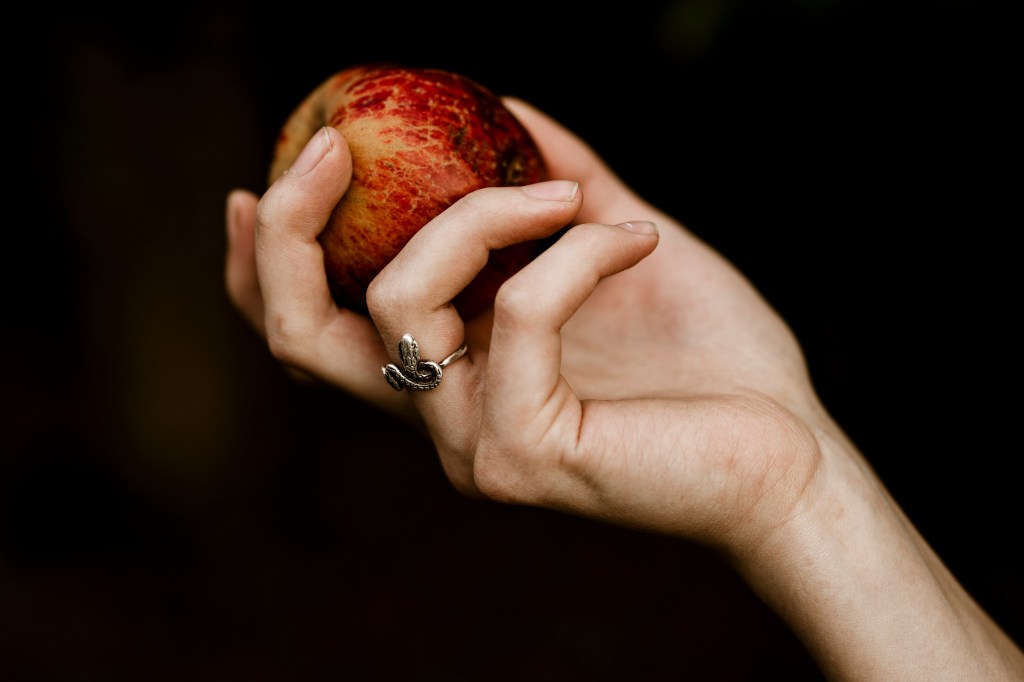
One thing that my heart was right on was the meaninglessness and desperation of modern Western culture. Something deep in my heart told me this world, with its materialism and nihilism, was not good. I wanted something different. As a result, I “followed my heart” into all sorts of wrong spiritual philosophies on a quest for meaning, but eventually, this search did lead me to embrace Catholicism and give my life to Jesus Christ.
In a confused way, my heart knew something was off about the corruption I was being offered by the society I grew up in. It was aching for God, although I didn’t know how to fulfill this ache and it took me a long time to find out.
This leads me to my point. All the confused and disordered desires and impulses of our nature do tell us something real, something true about ourselves and what will make us happy. God gave us a nature that is made in a specific way; if we live in harmony with this design, we will find that elusive joy we are all looking for.
The problem is that without a roadmap, it can get very messy trying to decipher the messages coming from our hearts. How do we put order back into this situation? God has already answered this question. He gave us the Commandments, the Counsels, the many pronouncements of the Church. We are standing on top of millennia of teaching on how to order our lives properly.
By living according to this storehouse of wisdom, we can put order in our nature and start to see things more clearly. Instead of following whatever impulse seems attractive, we can cultivate the virtues, so that our passions express themselves rightly in accordance with God’s plan for human life.

As our heart becomes more pure and more in tune with God’s promptings through prayer, it can become more reliable in directing us toward things that will really fulfill us. Our heart can then play an important role in our discernment of important decisions, such as our vocation, provided we also consider the other crucial factors, namely God’s Law and the guidance of His authorities on earth.
Truth be told, I do now live with a heart that is often filled with joy, but many times I had to tell my heart “no” in a dramatic way to get to this paradoxical result. It is by a lot of self-denial and discipline that I manage to put my faculties in order, and the battle still rages on. Some days I don’t feel anything at all, or I feel sad and tired. Yet, somehow, if I persevere in what I know to be good, the joy comes back, often unexpectedly. It visits me like a good friend to let me know that I’m on the right track, that I’m following the right path.
Ultimately, our hearts will only be completely fulfilled in Heaven. This is another important lesson that the “follow your heart” crowd needs to learn. Whatever we do, we will always feel that our true and ultimate home is not on this earth. We must learn to accept this feeling and turn it into a prayer of longing for God.
We can reach levels of profound joy during our earthly pilgrimage. God is good and He often rewards His followers with His heavenly consolations. But as our love for God grows, so does our desire to be reunited with Him, and that desire can be like an open wound in our hearts that makes us suffer deeply.
As we grow in holiness, we learn to accept and honor this wound, to welcome it, for it keeps us connected to Our Beloved. We stop looking for ways to make ourselves happy and think only of what will make God happy. We begin our journey looking for joy and we end it by looking for the Cross.
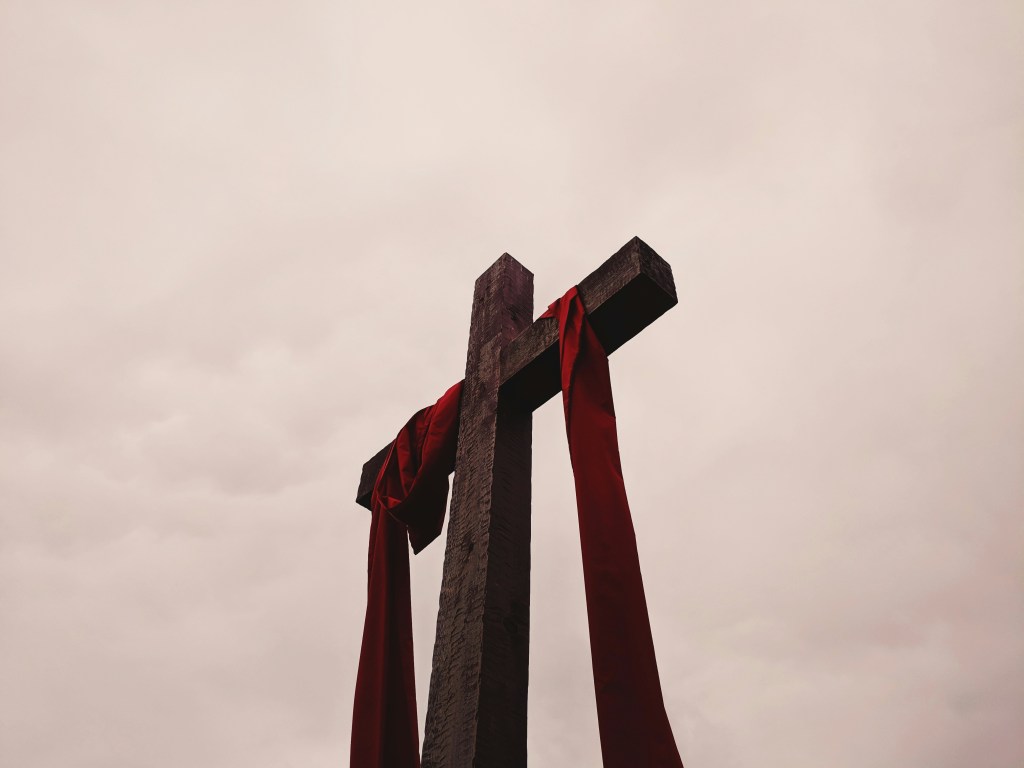
Ultimately, we must look outside ourselves to find the true source of happiness. Our heart becomes a reliable guide only when it is rooted firmly in this source, which is God Himself. Even then, it’s important not to slip into a dangerous subjectivism that overestimates our interior feelings at the expense of objective truth.
It is this objective truth that is the foundation of all lasting happiness. If we learn to conform our hearts to it, we will discover that simple reality will make us more free and give us a greater sense of purpose than all the romanticized fantasies of an undisciplined heart ever did.
 Tu Es Vita