
When I first embraced the Catholic Faith, I felt like a load had been lifted off my shoulders. Finally, I had a set of rules and guidelines to live by, instead of wading through life in moral darkness, constantly unsure of how to proceed. The commandments, the counsels, the many centuries of magisterial teaching; I learned all I could and tried to inform my conscience properly.
To be sure, all of this new information helped me make important life decisions and orient my actions in the right way. Initially, that was all I needed. When converting from a life of sin and ignorance, there are usually major changes to be made. I knew what was wrong and I worked diligently to eradicate it from my life. I cut out mortal sin and near occasions of sin. I started working on the virtues. I began receiving the sacraments regularly.
But with time, a new problem began to emerge. Striving to live a moral life gradually purifies the heart and conscience. We become more attuned to the subtle dimensions of things and notice details we once neglected. The intellect becomes sharper, our spiritual vision clearer. Naturally, all of this is great. It means we’re making real progress on our path to sanctity.
But it also means that we are faced with a new and difficult problem: the grayness inherent in many moral decisions in everyday life. We all know that we have to avoid the obvious sins. No fornication, no murder, no stealing, no worshipping idols. But what about the situations that are less obvious, more ambiguous, more complicated?

One example is the problem of remote cooperation with evil. Obviously, willing evil is always prohibited. We can never rejoice in an evil act, nor actively encourage anyone to commit it. But what about cooperating indirectly in an evil act we do not approve of? This is where things become grayer and more complicated.
Is a taxi driver who takes a woman to an abortion clinic in some way culpable of her sin, even if he interiorly rejects it? After all, he’s only doing his job. He’s not encouraging the act and he’s not approving it. But he is cooperating. Perhaps, without his participation, the sin would be at least delayed for a time. Then again, perhaps it wouldn’t be so hard for the woman in question to find another means of transportation, so maybe his role in the matter is not that important.
Or take the example of a supermarket cashier who has to process payment for a packet of contraceptives, which are readily available in many stores. Again, he is in some way cooperating with a serious sin, but he’s not directly encouraging or approving of the situation. If he doesn’t comply, he would lose his job. Is that sufficient reason to excuse him from any culpability?
There are also other situations where it’s difficult to know what the best course of action is. Take the case of someone who has close relatives who don’t have the Faith and don’t live a Christian life. Perhaps they are not openly hostile to the Church or especially evil, yet their company and conversation are often not virtuous and edifying.
They may be crude, they may gossip, they may even defend immoral actions (I don’t see what’s so bad about…). Is it a sin to continue seeing them on account of the bad influence they may have over us? What if they are our own parents, our siblings, our children? Where do we have to draw the line? In our increasingly secularised world, this type of dilemma is all too common.
The list goes on and on. Each difficult situation must be carefully weighed and many factors considered before making a final judgment. Ultimately, the Church doesn’t have a black-or-white answer for these cases and leaves the decision up to the individual conscience.
This moral uncertainty has different effects on people. For some, it may lead to what the Church calls moral scruples. These are persistent and often obsessive thoughts, doubts, and fears about committing sins. Scrupulous people are constantly wondering whether they’re sinning. Every situation that is even slightly ambiguous causes an interior drama of worry and rumination.
Scruples are a terrible disease of conscience. I know because I suffer from them regularly. Sometimes, reading spiritual authors makes the problem worse, as many emphasize how just and attentive God is to every detail of our lives. The scrupulous person is in danger of despair. Seeing that they cannot avoid morally difficult situations, they may give up altogether on the life of virtue. They may cave under the sheer exhaustion caused by their scruples and go into ruin.
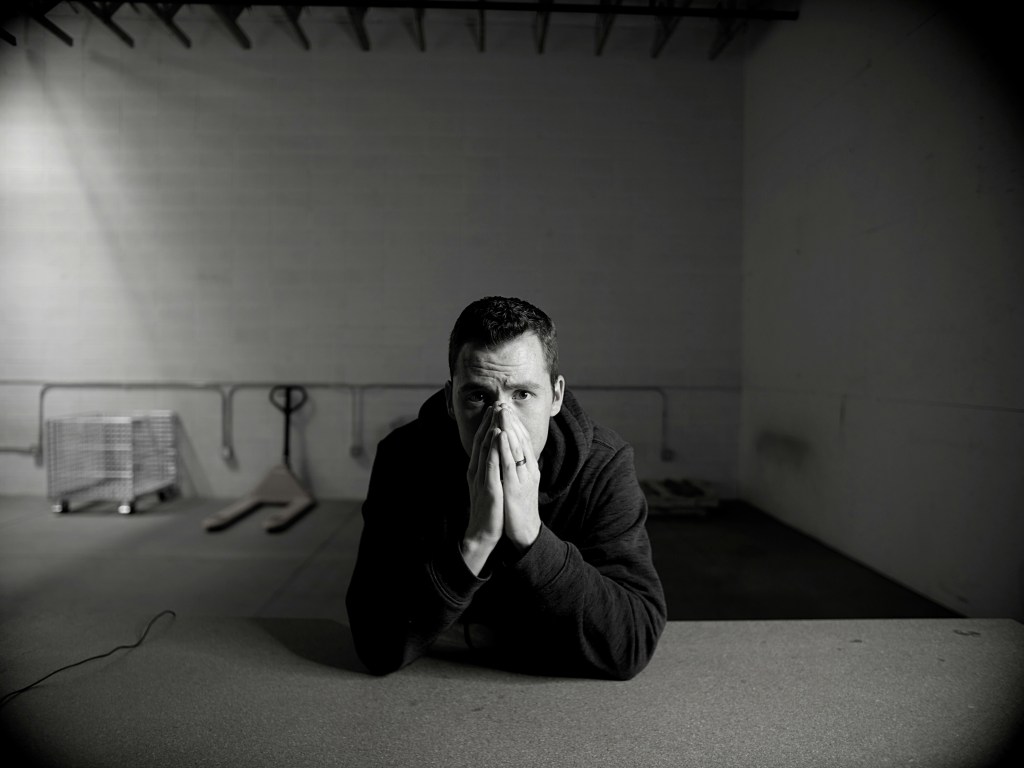
I have often wondered why God allows so much moral grayness in everyday situations. As a priest once told me, scruples are the cross of the moral life. He meant that we are all faced with the legitimate uncertainty of judgment that comes with the messiness of life. We will all wonder, at some point, whether we’re making the right choice, whether we’re sinning by doing a certain action, whether we’re making progress in the spiritual life or not.
As with all of God’s decrees, surely this too has a purpose in the grand scheme of things. One thing I know for sure is that all of this uncertainty is an opportunity to develop greater humility. We don’t always have the answers. Many things are obscure to us. Many situations are too complicated to fit neatly into simplistic categories. At some point, we either run ourselves into the ground by incessant scruples, or we learn to accept our own ignorance and limitations.
We are profoundly ignorant and limited. We don’t like to see or admit it, but we can know and do so little. Our Lord once said to Mary Magdalene when she was already much perfected, “you are an abyss of ignorance”. What would he say to the rest of us, who are still struggling with the basics of the interior life?
Yet herein lies our strength. The truly humble know their littleness, yet do not despair, for they have perfect confidence in God. Through the uncertainty of the moral life, God is perhaps asking us to have more confidence in His goodness. We cannot know for sure if we are making the right choice, but we can hope in His mercy if we’re not. He is the only one who ultimately knows what is best in every situation. Yet we must trust that He will not cast us into Hell for making the wrong decisions if we are trying our best. We cannot have this certainty. We must indeed hope. Hope with all our strength and courage. Hope and trust in Him alone.
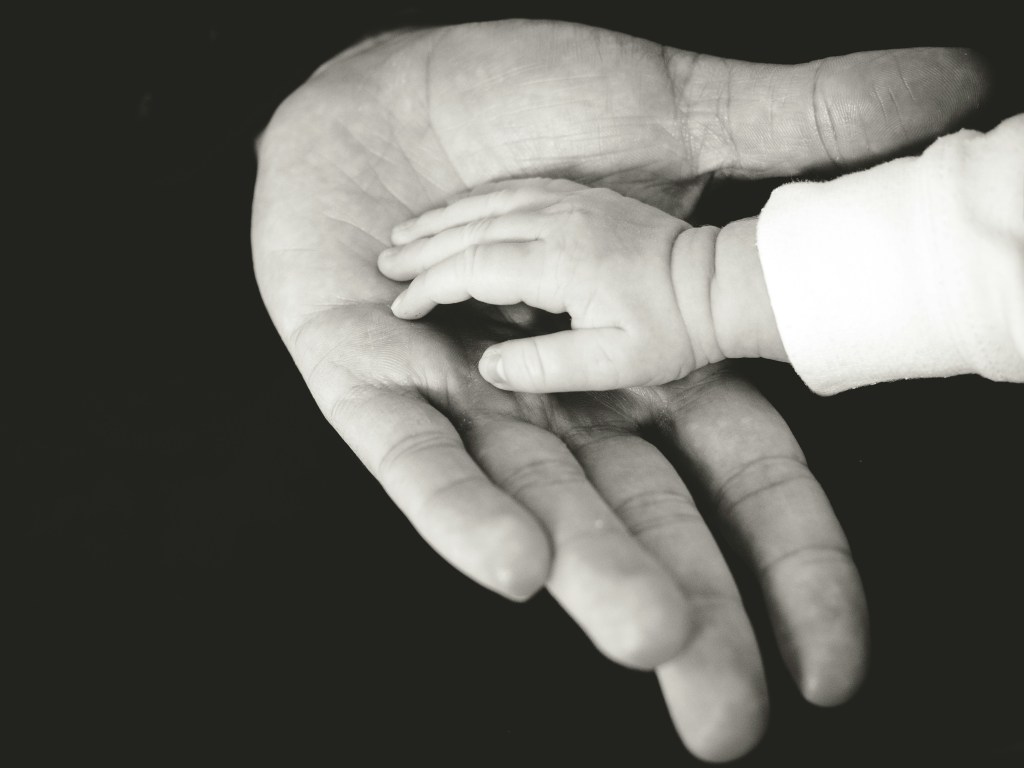
This requires a lot of vulnerability. God doesn’t want us to be certain of our salvation. Until the end, it remains a mystery for us. A terrible mystery we must all sustain until our dying breath. Scrupulosity is an attempt to take back control over our salvation. “If I do everything exactly right,” says the scrupulous, “I can have moral certainty of being saved”. But that’s not how God designed it. He rather allows us to be uncertain so we must humbly confide in His mercy. This is the only way to have peace of soul.
I have yet to master such perfect confidence. I struggle, sometimes terribly, with doubts about the sinfulness of many actions and rack my brain endlessly to discern complicated situations. There are times when I manage to calm down the anxious thoughts and my soul finds repose, but other times I do not. God has given me this cross to bear, and I must do my best with it every day. Through the many ups and downs of life, I am slowly learning to trust God, to give myself wholly to His Providence, to hope against all hope in my ultimate salvation.
We are never certain of our own goodness, but we can be certain of God’s. On this truth, we must lay the foundation of our entire spiritual edifice as on the firmest soil. We must be like ships with sails wide open to the wind, confiding always that it will lead us to the desired shores of our eternal home. Only then will we make true progress in the spiritual life. Only then will we find true and abiding peace among the uncertainties and tribulations of our earthly pilgrimage.
 Tu Es Vita